
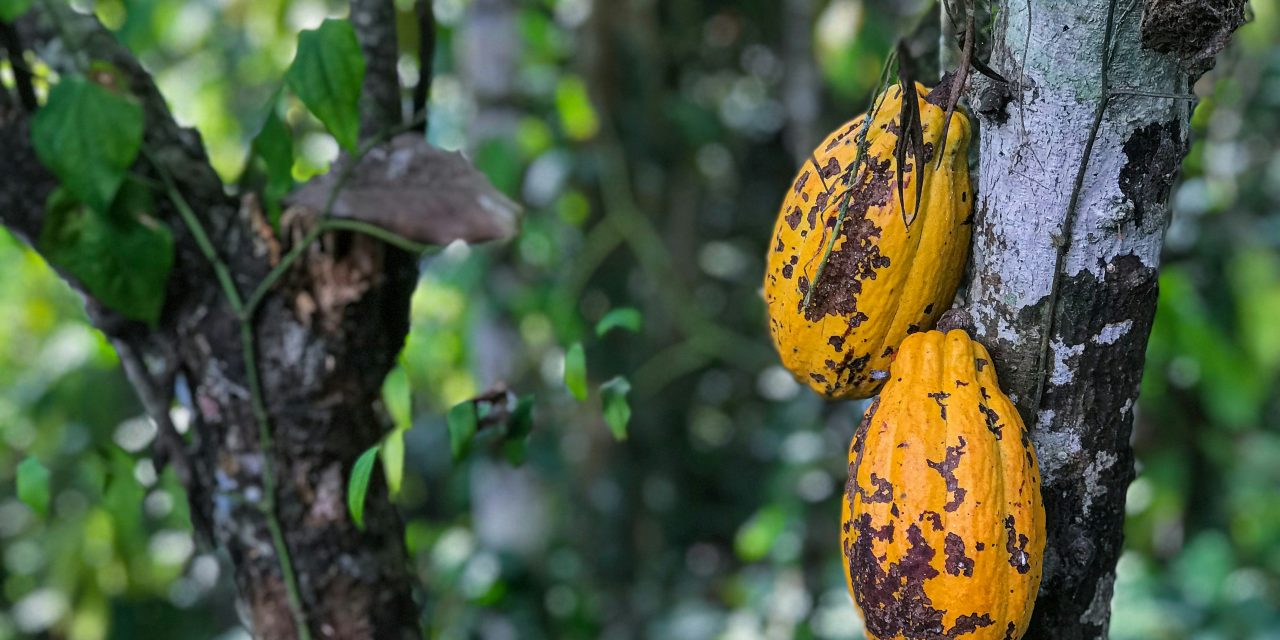
Responding to the escalating challenges in the global cocoa market, Ivory Coast has taken decisive action by adjusting cocoa prices. Kobenan Kouassi Adjoumani, the National Minister of State for Agriculture and Rural Development and Food Production, unveiled a significant increase from CFA Fr1,000 ($1.64) per kilo to CFA Fr1,500.
This strategic move comes at a time when cocoa futures have been hitting unprecedented highs, driven by mounting pressures on global supplies stemming from crop diseases and adverse weather conditions.
In a statement addressing the price adjustment, Adjoumani conveyed optimism, stating, “Given the current trajectory of global prices, we anticipate more positive developments to come.”
The decision, reportedly solidified over the weekend, received confirmation from five export companies, who spoke on condition of anonymity to Reuters.
Initially, President Alassane Ouattara had greenlit a narrower price range, spanning from CFA Fr1,100 to CFA Fr1,200. However, subsequent deliberations prompted a shift towards the higher end of the spectrum.
Gerard Stapleton, a global agribusiness analyst at GlobalData, weighed in on the potential outcomes of the price adjustment, suggesting it could spur growers to increase their output. Stapleton remarked, “This move should provide a much-needed boost to farmers, motivating them to enhance their production levels compared to previous price benchmarks.”
The surge in cocoa prices follows the emergence of two debilitating diseases – black pod disease and cacao swollen chute virus – wreaking havoc on cacao trees in Ivory Coast. These diseases, once confined to Ghana, have now infiltrated Ivorian plantations, exacerbating concerns surrounding cocoa production.
Attributing the spread of diseases in part to increased rainfall, Ivory Coast experienced an anomalous doubling of its normal precipitation levels in July 2023, further compounding the challenges faced by cocoa farmers.
Stapleton elaborated on the potential ripple effects of increased supply on international cocoa prices, indicating a potential alleviation of the supply/demand deficit. However, he cautioned that for Ivorian farmers grappling with crop diseases, immediate improvements may be constrained.
As Ivory Coast navigates through the complexities of the cocoa crisis, stakeholders remain vigilant, monitoring the impact of the price adjustment on local producers and its broader implications for the global cocoa market.
Editorial contact:
Editor: Kiran Grewal kgrewal@kennedys.co.uk